Case study · Multifamily co-op
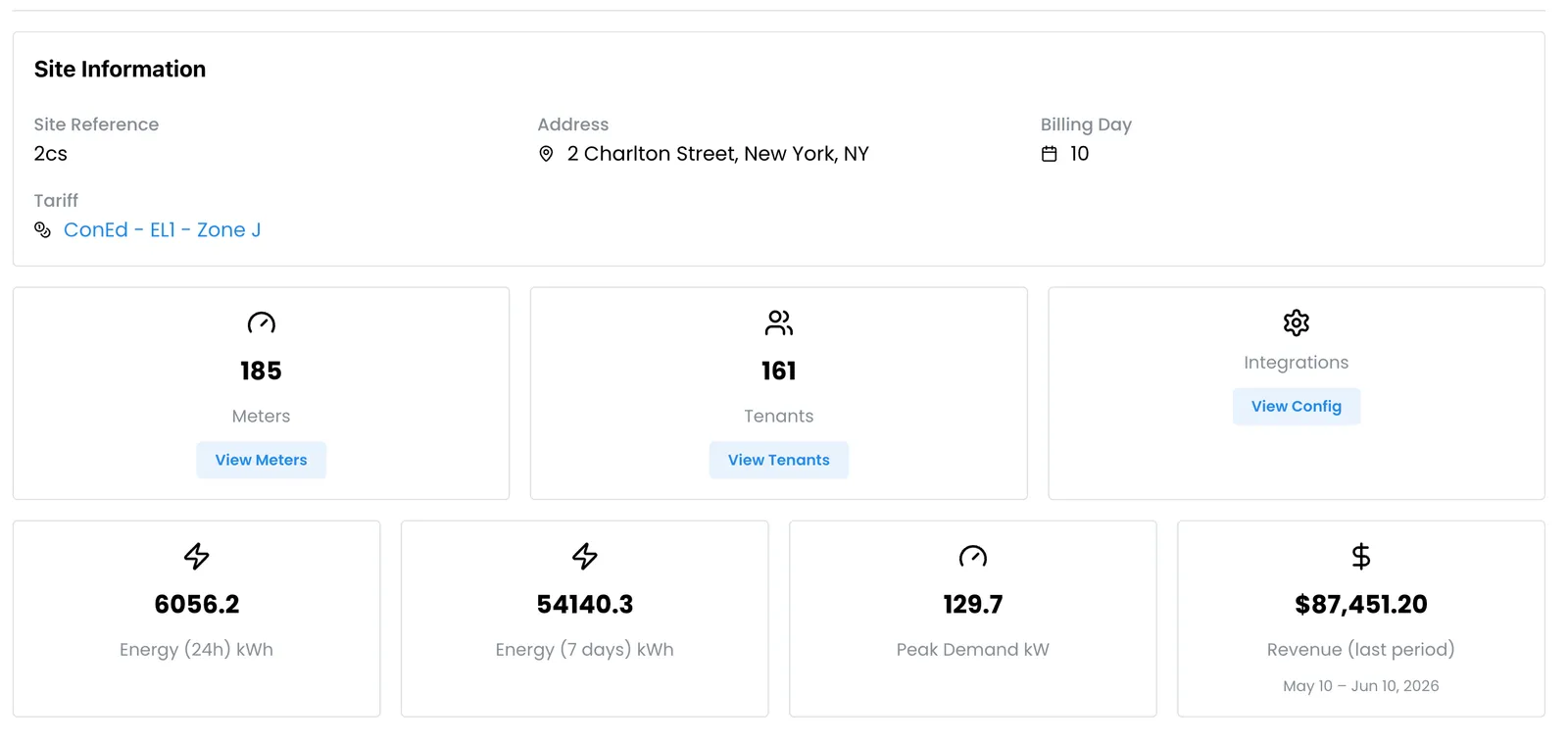
2 Charlton
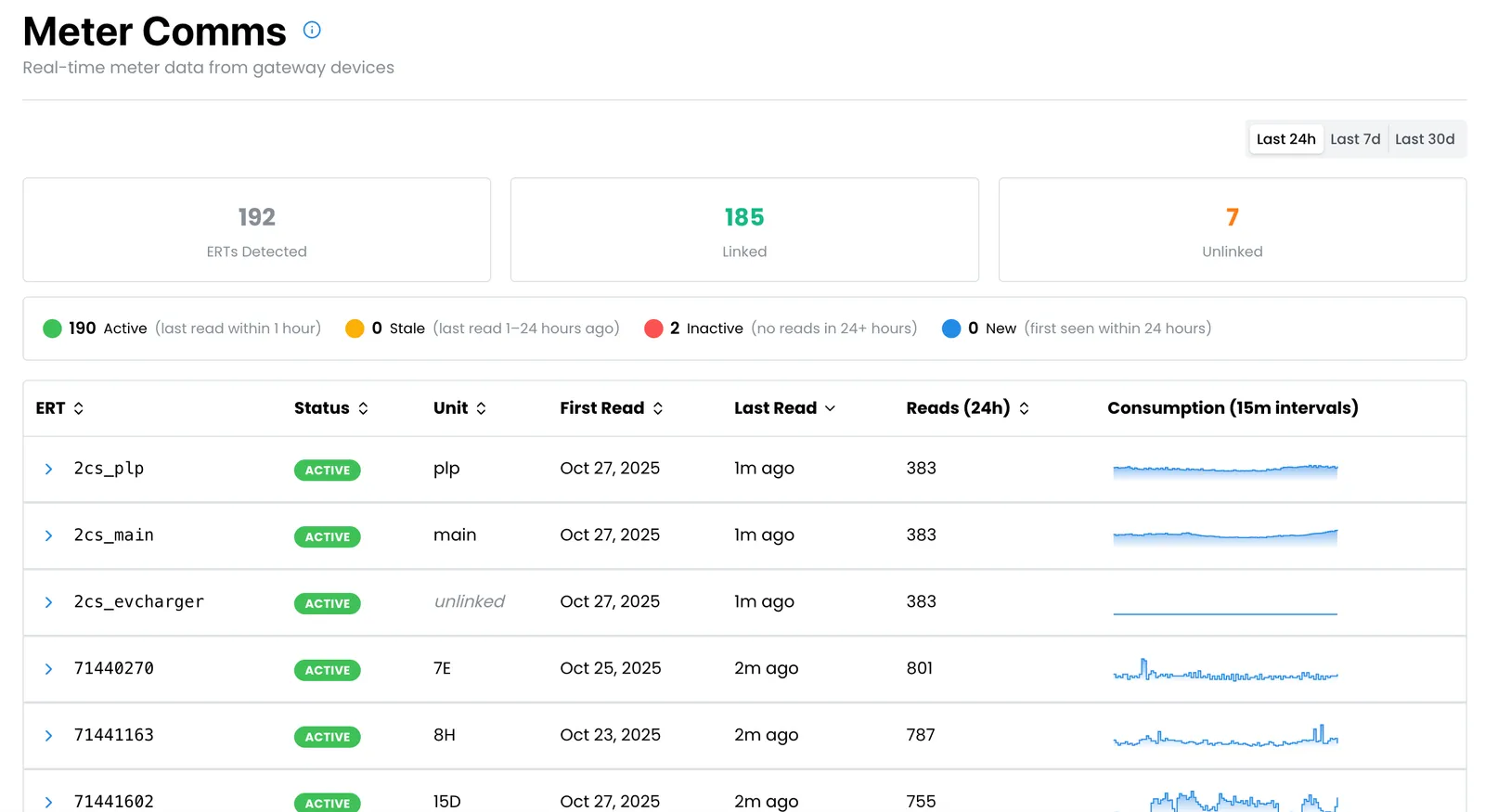
A 16-story, 176-unit market-rate co-op in Lower Manhattan, using DaisyChain to monitor its electric load, run submetering, and integrate solar and EV charging.
~$94k
Submetering revenue / year
<3 yrs
Payback
176
Units
The revenue engine
From direct metering to its own utility.
The building converts from direct metering, where each resident pays the utility, to submetering. It becomes its own building-level utility: residents are billed at the standard residential rate, while the building buys power at a lower commercial rate through a master meter and keeps the spread.
2 Charlton is netting between $90,000 and $100,000 a year from submetering. About half flows into the building's capital budget, and about half flows back to residents as savings on their bills.
Underwriting
A payback under three years, on submetering alone.
Counting only submetering arbitrage and holding revenue flat, the conversion pays for itself in under three years, before any of the upside below is switched on.
Just the first step
Submetering opens the door to the rest.
Peak shaving
Lower demand charges as control comes online, an estimated $12k to $15k a year.
Demand response
Access to utility DR programs, an estimated $10k to $13k a year in new revenue.
On-site solar
A ~27 kW rooftop array, integrated and tracked on the platform.
EV charging
Generate additional NOI from EV chargers, billed at unregulated market rates.
“Two Charlton Owners Corp is highly impressed with DaisyChain's comprehensive approach to electrical financial optimization. We have already seen significant benefits. We are confident that every subsequent step in DaisyChain's plan will continue to either generate substantial savings or create new revenue streams for Two Charlton Owners Corp.”